Monday, November 8, 2010

Are you mentor material?


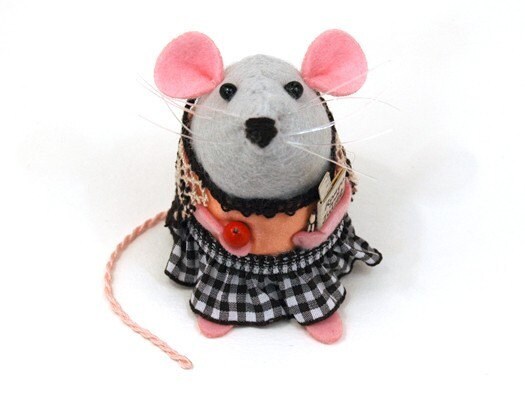
Mrs Quill the English Teacher by TheHouseOfMouse

Are you an experienced etsy seller interested in helping new or struggling etsy members with their shops and questions?

Have you thought about joining the Sellers Assisting Sellers team?

We'd love to welcome some new mentors to the team to help with answering enquiries and running critique sessions. If you think you might be interested in joining, you can find out more information here: become a mentor.

You can also apply directly via our new team page here: TeamSASsy

Looking forward to seeing some fresh faces :)

Wednesday, October 27, 2010

Team SASsy Interview: Mango Tango Designs

You've seen us in the Etsy forums, visited our Facebook page, maybe even asked us for advice. Or, perhaps you've joined the team yourself. But really, who ARE Team SASsy?

We decided to find out and asked team members to interview each other so that we could discover who really makes Team SASsy rock! Here's the first interview in the series - watch for more to come!

Team SASsy member, cindylouwho2, from Calgary, Alberta, Canada, spent some time interviewing fellow team member Mango Tango Designs, from Cape Cod, Massachusetts, USA.

cindylouwho2's shop, Peacock Jewellery, was named for her love of peacock pearls, paua abalone shell and her peacock day gecko. The shop is filled with beautiful (and affordable!) jewellery made with natural materials such as gemstones, pearls and shells, as well as crystals and glass.

Abalone Shell and Pearl Cluster Earrings, Blue and Purple Paua Shell from Peacock Jewellery

Here's her interview with Mango Tango Designs:

How did you get started making jewellery?
A close friend suggested I register with her for a nearby jewelry class. The subject of that class was metal clay. I simply could not believe that a type of clay existed which, when fired, would become pure silver. To me, that was magical and completely addictive.

Did you always intend to run a jewellery business?
Not at all. I actually began handcrafting in 1990 in a completely different category – scale dollhouse miniatures. I sold my work online and at shows – just as I do jewelry now – for many years. Eventually the labor involved took its toll on me physically, and I switched because I found jewelry-making to be much less physically demanding. I believe my training in scale miniatures transitioned well to jewelry, as I was already so familiar with the necessity of precision and detail in my work.


We are often advised to have a niche or theme/unifying look for our shops. When I look through your beautiful listings I am struck by the repetition of the ocean theme, right down to the background colours. Was that your initial intent, & has it changed over time? What would you recommend others do to find a unifying theme or look?

My initial intent was certainly to have a unifying theme at least in the background of my photos if not in the work itself. At first I used slate and marble, but I found that too be too dark and gloomy. Once the theme of my work evolved into what it is now – which wasn’t an overnight process either; it took me a while to find my voice - finding a more suitable background was easier. I would definitely recommend that every seller find some way to make a cohesive statement in their Etsy shop – not only in their photos, which should be sharp and focused, but in their banners and avatars as well. Even when the merchandise is diverse, a common background that’s uncluttered and flatters the subject matter helps to sell the product.

You list several upcoming shows in your shop announcement – are they a big part of your business? Do you have recommendations for people who want to do art shows & festivals?

The bulk of my business actually comes from selling online and through a wonderful local gallery. Shows can be a hit or miss proposition. The juried shows which draw thousands are extremely expensive to do, and the unjuried shows may be less expensive but frequently draw smaller crowds and therefore fewer customers. I worked hard to jury into a local artisans’ guild that holds their own shows in order to guarantee myself booth space at a reasonable cost.

My advice to others is to be certain you have product that people want to buy. If you work in a competitive field such as jewelry, it can be very, very difficult to jury into some of the better shows. Be prepared to soldier on and keep pushing in the face of rejection and disappointment. Find a niche and fill it. Be unique.


Finish this sentence (but feel free to write more than a sentence!):
Before I started my Etsy shop, I wish I knew_______________

I wish I knew the formula for making high-quality, inexpensive product that would fly out of my shop! I see now that my style of jewelry is nearly impossible to craft less expensively, and so I accept that I will never be one of Etsy’s top sellers. And yet I’m pleased with the way my work has been embraced on Etsy and feel quite satisfied selling here. There’s a market for my work and I couldn’t be more pleased about that.


How did you get involved with Team SASsy? Has it been what you expected?
I love helping others. I also have a teaching background, and volunteering to assist others helps me to scratch that itch. Also I believe in karma. The good that I do for others will someday come back to me when I most need it. I derive tremendous satisfaction from a heartfelt ‘thank you’ from someone I have assisted on Etsy.

If you had the ability to start a completely different handmade business, what would you choose to do?
I guess I’d have to say there’s nothing else I’d rather be doing. Since I began handcrafting a totally different type of product, where I am now is precisely where I’d like to be.

And your final words of wisdom:
I think that what each of us gets out of Etsy depends entirely on what we put into it. Not everyone has the ability to create something that someone else wants to buy. If what you’re currently doing isn’t working, try something else. There’s always room for improvement. Do what you love and love what you do.


Thanks again to cindylouwho2 of Peacock Jewellery and Mango Tango Designs for this great interview!

Wednesday, October 6, 2010

Top Tips from Kreated by Karina

Written by KreatedByKarina.etsy.com


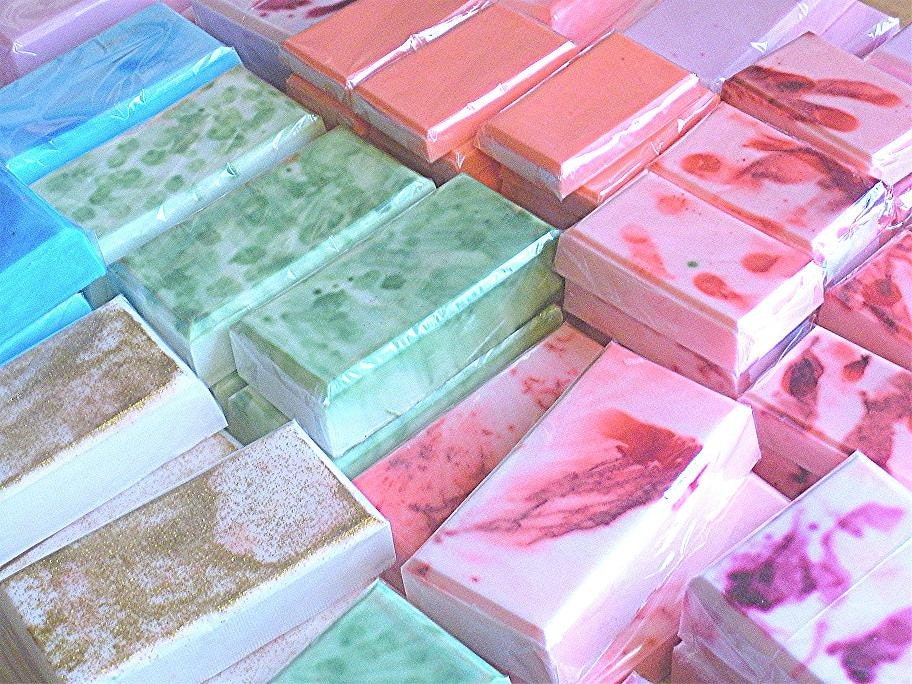
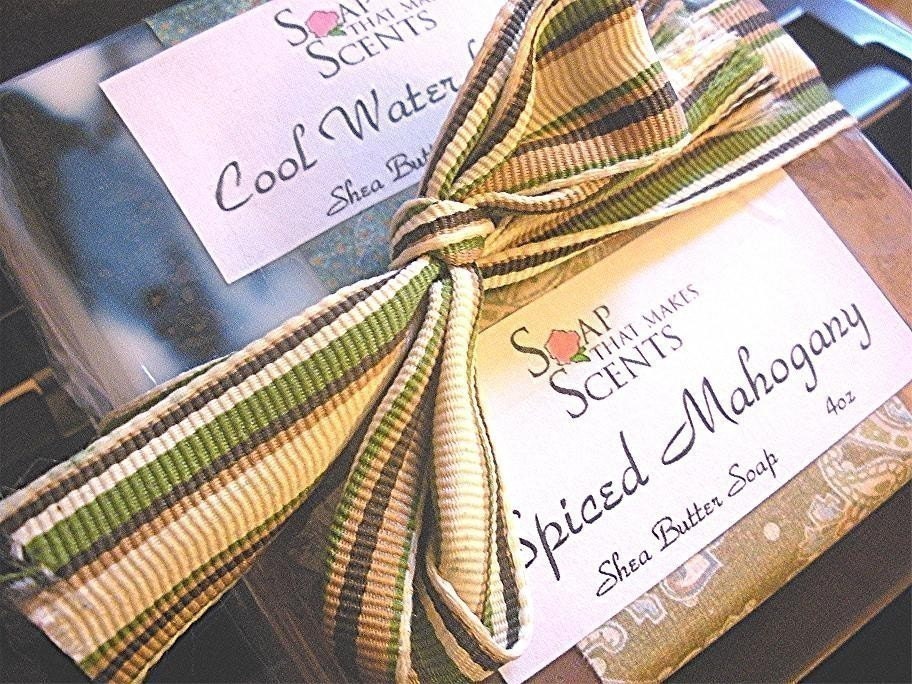
I've recently celebrated 4 years on Etsy! To mark the day, I thought I'd share some of my best-kept secrets from running Soap That Makes Scents (well, ok, they are not really secrets but rather segments of advice I have given out in the forums or in convos as a member of the Sellers Assisting Sellers Team). An FAQ of sorts, and it's all here in one place for you--might be a long read but you can pick out the parts you find useful to reach your own level of success:

~ Promoting ~

Probably the most common question I get asked is "how do you promote?"

My best tip is to figure out your target audience and promote directly to them.

Promoting to a wide audience is fine, but in the end you'll save yourself a lot of time, money and energy focusing your advertising strategies on those people who are more likely to purchase your products.

Think about the ideal person who would shop in your store---how old are they? What sort of websites/blogs would they most likely visit? What kind of magazines do you think they likely to read? What areas of the city would they live in? You can expand to other brainstorming questions but those few should give you a good start in figuring out the type of people who frequent your shop (as well as the type of people you want to direct your items to).

Once you've figured out your target audience, you can then take out ads on those same blogs, websites, magazines etc. Or concentrate on doing craftshows geared towards that "type" of audience.


~ When Selling, Think Like A Buyer ~

For instance...when trying to figure out how to tag your items, think of how YOU search for items when shopping. Do you search by color, or by certain keywords you find yourself using over and over? If so, use them in your tags as well. A great way of figuring out how to describe/tag your item is to ask friends and family. Let them take a look at what your selling (or give them a sample!) and ask what single words they would use to describe it to others. Pick out the most relevant and common ones and use those as tags if they fit, or incorporate some of their suggestions into your item descriptions.

Also---think about what promotional tactics work on YOU. Do you sign up for lots of newsletters? Maybe it's time you offered one of your own to your customers. Do you find yourself throwing away business cards, but keeping magnets and always reminding yourself "to check out that store" everytime you see it on the fridge? Invest in getting some promotional magnets made to give out with your orders or to people you meet. Things like that.


~ Organization Is Important ~

When I started out, I had supplies laying around everywhere--and I mean *everywhere*. My husband used to joke that at times he felt as though he lived in a warehouse. I realized that I was wasting a lot of time by having to go to one place for a box/envelope, one place for a pen, one place for a business card and soap sample, one place to collect the invoice, etc. Now I have a room dedicated to packaging, shipping, wrapping and labelling--Everything is stored in clear plastic bins, and out of reach from tiny hands. Recently we moved the computer in there as well just to make things even more easier. Keeping everything in one place can streamline the process from the time you receive an order, to the time it's shipped out.

~ Going Full Time~

(I took this part below from part of my QYDJ Storque interview so it may seem repetitive if you've read it)

Another common question I get is about how I made the transition from part-time soapmaker to full-time soapmaker. The easy answer would be "I just took the leap, and everything worked out fabulous!!" The more realistic answer is that it was a lot of planning ahead of time, tight budgeting to make my business self-sustainable and turn a profit, plenty of sacrifice (time, energy, luxuries), a bit of luck, and old-fashioned hard work.

If you don't have a Business Plan drawn up, I seriously urge you to get one. You can find lots of information and templates (as well as full examples) at http://www.sba.gov/ It truly is my opinion that no business can succeed fulltime without one. My husband and I sat down and wrote ours several years ago. A business plan covers not only your company's mission and planning out your target audience, but also your fiscal projection for several years ahead, all costs associated with running it from the beginning (ie. licence cost, capital needed, utilities, supplies, advertising budget and a slew of other areas), HOW you plan on covering these costs, short and long-term goals, and will become your Business Manual of sorts. Plus, if you need to go to a bank for a loan to finance your business at any time, many will want to see your business plan (which should then also cover how you plan on paying your lender back).

As it stands now, Soap That Makes Scents pays for itself, with enough left over to pay our bills and rent, as well as groceries, etc. Etsy has been incredible in exposure and while they are the forefront and a large part of my business, I would be remiss if I did not acknowledge that craftshows, wholesale accounts, and private soap parties (and online soap parties!) make up a large portion of my income--although I wouldn't have gotten any of those accounts if it hadn't been for them finding me on Etsy.com

It's our goal for my husband to quit HIS day job in either 2011 or 2012 by the latest. He's already taken the first step by reducing his hours at work.


~Newsletters Really Do Help~

It was just after the holidays last year that I discovered the wonderful world of having a mailing list. I used to have a blog, but stopped posting in it 'cause it a) seemed too difficult to come up with something exciting to say each time, and b) started to get disheartening wondering if anyone was actually READING it. Starting a mailing list can be one of the best moves promotion-wise. People should hav eto opt-in to receive your email blasts and you know that it's going directly to people who are already interested in what you do and are most likely to shop in your store.

http://www.bravenet.com/ is a simple site for setting up a free mailing list (you can have up to 500 subscribers at no cost and send unlimited emails, plus receive statistics on who's actually read your newsletter). I keep my newsletters to once a month, and advertise my newsletter sign up at craftshows, in my auto-Message To Buyers, and in my shop announcement/profile. My shop views and sales have risen due to special offers given to readers-only.


~But What About Money??~

Budgeting is an important factor at any time in your business, but moreso in the begining stages. You should have a tight budget drawn up before considering quitting your dayjob as well as a sizeable nest-egg set aside to help you through any rocky starts or rough patches along the way. I didn't entertain the idea of quitting my day job to make soap all the time until my online part-time business was already sustaining itself and turning a good profit. A good experiment to see if you can survive on your craft alone, is to bank your paychecks for a period of one year and just live off of what you are making from your home-based business. This not only teaches you a valuable lesson in what are really the neccessities in your life, and where you can cut future costs but also gives you an accurate figure of how much money is coming into the household vs. how much is going out.

Even if you have no plans to take your business full-time you'll want to draw up a budget and stick to it as best as you can. A simple way to keep track of things is to keep organized receipts for everything month-to-month....your crafting supplies, the ink you had to buy for your printer to make your labels/promo materials, your packaging supplies, (even the tape you buy to secure your envelopes properly), anything and everything. Also keep track of your Etsy bills and any other online fees you pay month-to-month (project wonderful advertising, domain name hosting, etc.). This also makes tax-time so much easier, believe me.


~It's Ok To Keep Track Of The Competition~

Really---big companies keep ontop of each other all the time. It's ok to be aware of what your direct competition is doing and perhaps learn from them as well. I'm not saying be fanatical about it, or obsess over every little move they make, or try to copy everything they do thinking it will work for you (most of the time, it won't). What I'm getting at is being aware of who are the "big sellers" in your category and why you think people are drawn to their store. For example, If you notice one of your competitors is frequently on the Front Page or chosen for Treasuries...take a look at their photos, study the techniques they use...or the props chosen that may best show off their items, and get your inspiration for improving and tweaking your own shop photos from there. Take a look at their tags if they carry like items and see if you are missing any key ones (like color of the item, size). Read through the feedback left for them and see what stands out most to you in a buyers' own words: is fast shipping frequently mentioned as a high-point of the transaction? Is that something you can improve on for your own shop? What specifically gets mentioned time and time again? Do dozens of customers rave about how wonderful the communication was from the seller----and do you think that's something you can work on too? Feedback from customers is the #1 way of figuring out how to improve, and give a buyer what they want...you can learn from them whether they are your customers or your competitor's.


Well, that's about all there is for now--I know it's a long read, and by no means is my word the be-all or end-all of anything-...the opinions/outlooks above are based on my own adventures in EtsyLand, and overall business...best of luck with your own journey!

Karina

Written by KreatedByKarina.etsy.com
Find Karina on Facebook

Saturday, July 10, 2010

Etsy Shop SEO Success in Six Simple Steps, Part 2

continued from part 1

4. Optimize (SEO) Each Product Listing
The title of each product listing should contain at least one keyword phrase, such as, "Handmade Gemstone Necklace - (followed by more descriptive words). . . ".

Research the right keyword phrases for your product titles using Google's Free Keyword Research Tool, https://adwords.google.com/select/KeywordToolExternal, using the same techniques that you used to research the keywords for your shop title.

Here are a few sample product listings before and after SEO:

1.Note cards, Set of 2 - Red Vase with Flowers ---->
changed to ----> Watercolor Notecards – Floral - Red Vase with Flowers – 4 X 6, set of 2

2. Spring flowers in blue ---->
changed to ----> Watercolor Painting - Floral- Spring flowers in blue

3. Note cards, set of 2 - Fern Leaf in blue ---->
changed to ----> Watercolor Notecards – Floral - Fern Leaf in blue – 4 X 6, set of 2

4. ACEO - Red vase with asparagus fern ---->
changed to ---->ACEO Art Card - Red vase with asparagus fern
or changed to ---->ACEO Original Painting - Red vase with asparagus fern

Use the selected keyword phrase for each product listing at least once in the description of each listing.


Linking


5. Build Inbound Links
The last change you should make is to work on link popularity to move your shop up higher in the search results for your keywords. Search engines look at inbound links as "votes" for your Web site. Many high quality inbound links move a Web site up in the search engine rankings. The higher up your shop or web site appears in the rankings, the most visitors your shop will have and the more opportunities you have to make a sale.

Link to your main shop page and shop sections within each of your listings. You can see how this would look from this listing from my other shop on Etsy: http://www.etsy.com/view_listing.php?listing_id=42286340. The text in this listing links back to the main shop page and other sections within my shop. You can also add links to your welcome text and your profile page and add links from the profile page and shop policy page to other pages within your shop.

Leave comments on the Etsy Storque articles and in the Etsy forums. Each comment you post is linked to your shop and that is also counted by the search engines.

Build inbound links outside of Etsy. This is a step in optimizing your shop that Etsy does not tell you about but which is critical to SEO.

If you have a blog, link to your shop from your blog as often as you can. Links like this help to move your shop up in the search engine rankings. It does take a few months of diligent link building work for the search engines to give you credit for all these links but so well worth the work. This is how to create a clickable link within the body of the blog text:

<a href="http://www.yourshopname.etsy.com" target="_blank">your primary or secondary or any other keyword phrase inserted here</a>

Replace the words above in bold with your shop name and the keywords for your shop. This is called a keyword text link and has more link value to your shop than a simple shop url link.

Check your link popularity in the Yahoo search engine every so often to get an idea of where your links are coming from and how they are building up. Do not check Google as Google only reports a small percentage of inbound links. Yahoo is the

In the Yahoo search bar, type in "http://yourshopname.etsy.com" (with quotes) and click on the Search button. You should see a page of information that looks like this:


You will see search results of all the places on the Web that link to your shop, including all the links within Etsy. Make note of the areas I highlighted in bright pink, such as the URL address in the search box and the total links reported on the left side.

Do Not: leave comments all over the blog world in hopes of building links to your shop. Most blogs have blocked the link value from being passed along the to link target. You can see blocked links clearly with the free Developers Tool Bar that can be installed on the Firefox browser. All blocked links show up as bright pink.

Do: build links from other blogs by sharing links with your friends. Exchange links this way only with trusted web sites and blogs.


6. Check the Search Engines Results Pages

Wait 2 - 7 days after making these changes before searching on Google or other search engine to see your shop come up in the search results for the keywords in your shop title and section names. Wait up to 2 weeks if you have a brand new shop on Etsy - give the search engines time to find your new shop. Search engines revisit web sites now and then to record new information. If there are a lot of competing web sites for these keywords, you might have to look through a few pages of search results to find your shop. Work on link building if you want your shop to move up in the search results to gain more views. Landing on the first page of search results for even a fairly popular search term is usually a huge boost in visitors and sales to your shop or any Web site.

You can read more about the two primary components of SEO, content and linking, on my blog here: http://seo-web-pro.blogspot.com/2010/02/why-we-do-what-we-do-in-seo.html.

Final Words
Search Engine Optimization is an ongoing process. Work hard at SEO and you will be rewarded with a large amount of Internet traffic visiting your Etsy shop - all free. Once you have reached where you would like your shop to be in the search results, continue working on link building. The competition on the top of the search results is always working to stay there and new Web sites are always working on getting to the top. You need to keep working to keep ahead of the competition.

Conduct new keyword research every few months to see how much your keywords are in use. Popular keyword phrases fall out of "style" and are replaced by new keyword phrases. Make changes to the keywords to your shop if you believe it is necessary. Keep working at SEO to be be found, be seen, and make more and more sales.

This guide ebook might contain terms you are not familiar with. I will be very happy to answer any questions or discuss anything that you need help with.


copyright@WingsDove Web Design Solutions. All rights reserved. The book is protected by intellectual copyright laws and may not be resold in it's entirety or in part or copied and sold as anyone else's' property.

Written by Mary
seowebdesign.etsy.com


Tuesday, July 6, 2010

Etsy Shop SEO Success in Six Simple Steps, Part 1

The two main components of successful SEO for any Web site or blog are a). content and b) linking. This article covers both content and linking for the successful SEO of your Etsy shop.

Content


There are several places on each Web page that the search engines look to see what the Web page is about. The search engines gather this information, analyze it and then add it to their huge index of Web sites organized by what each Web page is about. Some of this information is in areas of the Web page that can only be seen by looking at the program code.

You can view the program code for each Web page by clicking on View in your Internet Browser and then clicking on Source. The program code for your main shop page and each shop section will look something like this (you might have to scroll from left to right to see all of this code that is on one line):


Locate the title tag, meta description tag and meta keywords tag in the code above and find the same code in the Shop View of your Etsy shop. Now you can see some of the most important text that the search engines look for when they look at your Etsy Shop. Note: They keyword tag is not usually used by any of the large search engines any more but Etsy does move some of your shop and listing information into the Keyword tag.

OPTIMIZE YOUR ETSY SHOP


1. Optimize (SE0) the Shop TItle

The first place that the search engines "read" on a Web page is the title tag. The title tag is the most important text to the search engines. This is where the search engine programs first look to find what each Web page on the Internet is about. Placing your best keywords into the shop title places these same keywords into the title tag - then your shop will come up on the search results whenever someone searches for whatever keywords you have placed into the title tag, such as, "handmade gemstone jewelry" or "original ACEO paintings" or "handmade baby clothes."

The main shop title for each Etsy shop is placed into the title tag by Etsy programs whenever the main shop page is viewed in Shop VIew. The section names you in your shop are moved into the title tag whenever each section is viewed in Shop View. Look for the title tag for your shop in the program code. It will look like this:

<title>SEO Web Design Custom Web Design SEO and SEM by SEOWebDesign</title>

As you can see, Etsy takes the shop title you create and adds it to the title tag of the main shop Web page, followed by your shop name and, if there is enough room, the words "on Etsy." I like to fill up my shop and section titles with as many appropriate keyword phrases as possible, confident that the search engines have other ways to figure out that the Web page is on Etsy.

Each shop title can be successfully optimized (SEO) for one primary keyword phrase and one or two secondary keyword phrases. You will see the reason for this on as you continue through this report.

The place to begin optimization of your title tag is with keyword research. I like to use Google's free Keyword Research Tool that you can find at https://adwords.google.com/select/KeywordToolExternal. Start by keying in the words you think describe what you are selling and Google will give you information about your keywords, such as the total searches in the most recent month for your keywords and also make other keyword recommendations.

Choosing keyword phrases from the keywords recommended by Google with the right number of recorded searches on the Internet is very important to getting found in the search engines. Your shop will get lost in the competing crowd of other web sites if you use a very popular keyword or phrase, such as "jewelry" or "handmade jewelry." On the other hand, your shop will not see an increase in Internet traffic if you use a keyword phrase with too few searches.

Choose the most appropriate keyword phrase for first placement in your title tag followed by one or two other appropriate keyword phrases. Add punctuation, such as commas if you like. The punctuation is only for human eyes - the search engines ignore punctuation but spaces are important. A few minutes after you make this change, the new shop title words will appear in the title tag of your shop when you are looking at the program code when you view your shop in Shop View.

Do not: break up the keywords phrases in the title tag into a string of words like this: "jewelry, gemstone, sterling silver, chainmaille, . . . . " The search engines will not read this as "gemstone jewelry, sterling silver jewelry, chainmaille jewelry."

Do: Use the complete keyword phrases as you find them in your Keyword Research. The way that you see the keyword phrases in your research is the same way that the search engines will look to find your shop.

2. Optimize (SEO) the Shop Welcome Text

This welcome text is the text that Etsy places into the description meta tag and is often what is seen on search results below the title tag. The description tag for your shop looks like this:

<meta name="description" content="Welcome to my shop, SEO (Search Engine Optimized) Web Design, your source for affordable custom Web designs created and developed by an experienced" >

This is what the search engines and Internet searchers see when they look at your shop in the search engines results pages.

On the search results for the example shop, the search results look like this:


The shop title (title tag) is seen on the first line of the search results, followed by the description tag on the next two lines, then followed by the URL of your shop. Think about what you would like the Internet users to see when they see your shop in the search results. Most likely they would first like to know if you have what they are looking for.

Your welcome text has to contain your keyword phrases to add any benefit for your search engine rankings. It's to your advantage in the search engines to use your keywords in the text and place the most important ones at the top of the text - the ones you would want someone to see on Google if they were searching for the products you are selling.

In this text include the primary and secondary keyword phrases for your shop as well as the keywords you select for the section names. Use these keywords in the first few sentences of your shop welcome text and use each keyword phrase at least once and more often if you can. Use your keywords several times if you have a large amount of text in the shop welcome text.

The search engines will decide what the web page is about by the information on the entire page. If you write more about your shipping policies than anything else, for example, then the search engines will give more weight to your shipping policies than to any other text on the page.

Try words like this, which include your primary shop keywords as well as your section name keywords, for the first few sentences of your shop text (replacing the bold words with your own keywords):

"In my your primary keyword phrase here shop, you will find a large selection of secondary keyword phrase #1, secondary keyword phrase #2 as well as section name and section name from my primary or secondary keyword phrase. I hope you enjoy my (fill in with several of your section names here). I add more primary keyword phrase items . . .. (etc)"

These first few sentences are a suggestion. You can use your own words – just make sure to include the selected keywords for your shop title and at least a few of your section names in this area of your shop text. The more text you use the and more often you use the keywords for your shop and section names, the better your shop will do in the search engine rankings. Use a large proportion of keywords relative to the amount of text on the page. There truly is no "ideal" percentage of keywords to all the text on the page.

The search engines index all of the text on each page of your shop but only display a small amount of the text on the search results.

3. Optimize (SEO) the Shop Section Names

The words you use to label your shop sections are added to the Keyword meta tag. More importantly, each section name is moved into the title tag of the web page for each section: The keyword tag for your shop looks something like this:

<meta name="keywords" content="custom etsy shop seo, custom web site seo, custom web design, web design templates, web success 101, custom slide shows, custom web templates" >

Research the right keyword phrases for your shop section names using Google's Free Keyword Research Tool, https://adwords.google.com/select/KeywordToolExternal, using the same techniques that you used to research the keywords for your shop title.

Using full keyword phrases, such as, "Handmade Necklaces ", “ACEO Paintings,” “Watercolor Notecards,” and “Vintage Women's Dresses ”, that are actually used in real searches in the search engines is beneficial to the SEO of your shop. Use all of the sections in your shop to get the most out of the section name keywords.

Do Not: use spaces between each letter of each word, such as, J E W E L R Y, for section names. This does not work for SEO - search engine will read each letter as a separate word.

Do: Using full keyword phrases, such as, Handmade Gemstone Jewelry, for section names.


To be continued . . . .

Written by Mary
seowebdesign.etsy.com